Easter Lily Window Stained Glass Print Embroidery Design Review
As an experienced embroidery designer and product reviewer, I always look for designs that not only catch the eye but also perform well in real-world applications. The Easter Lily Window Stained Glass Print is one such design—its visual character and thematic depth make it a compelling choice for a range of handmade and commercial projects. Let’s take a closer look at how this design holds up under practical scrutiny.
First Impressions: A Peaceful and Faith-Filled Aesthetic
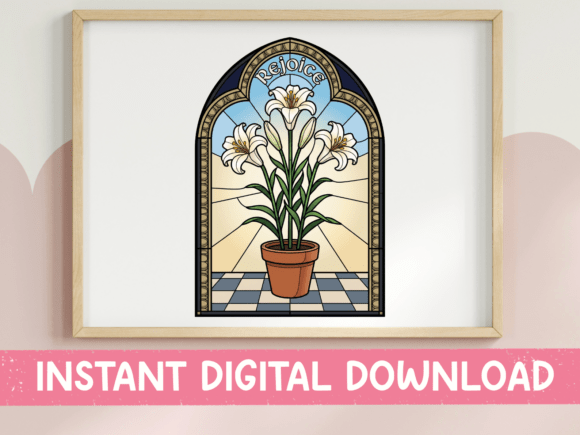
The Easter Lily Window Stained Glass Print immediately evokes a sense of calm and reverence. The composition centers around three trumpet lilies blooming from a terracotta pot on a checkered tile floor, all framed by a graceful arc. This layout feels intentional and balanced, with soft lines and intricate detailing that mimic the stained glass effect beautifully.
Visually, the design has a classic yet modern feel. It doesn’t shout; instead, it invites a quiet moment of reflection. That makes it ideal for handmade products meant to carry emotional weight—like holiday gifts or boutique items aimed at faith-based audiences. As a designer, I appreciate its versatility in tone; it can be both elegant and approachable depending on how it's applied.
Theme and Layout Considerations
The stained glass motif is rendered in a way that feels artistic without being overly complex. The flowers are stylized, which means they won't lose their identity when scaled down. The arc framing adds structure and gives the design a finished, gallery-ready edge. This kind of framing is especially useful if you're planning to use it as a machine embroidery design on tote bags or sweatshirts where a defined shape helps the design stand out.
While the detail level is rich, it’s not so dense that it becomes overwhelming. This balance is key for any embroidery file, especially if you’re working with a wide variety of materials and applications. It’s clear that the creator considered how the design would translate beyond just a flat image—into the physical world of fabric and thread.
Real-World Application: Where This Design Shines
Let’s imagine a scenario: You’re creating a custom sweatshirt embroidery for a local boutique that specializes in Easter-themed merchandise. The customer wants something unique and meaningful, not just another bunny or cross. The Easter Lily Window Stained Glass Print fits perfectly here. Its serene imagery and structured frame offer a polished finish that aligns with the boutique’s brand of thoughtful, handcrafted goods.
- Tote Bag Design: The design works particularly well on cotton canvas tote bags. The arc framing keeps the piece centered and visually grounded, while the lily details add enough texture to draw attention without overpowering the bag’s utility.
- Custom Apparel: On t-shirt designs, this print adds a subtle touch of sophistication. If placed near the chest or back, it can serve as a conversation starter—especially during Easter or springtime sales.
- Baby Clothes & Nursery Decor: The floral theme is gentle enough for baby items like onesies or pillow covers. The color palette (if using white lilies against darker backgrounds) can be adapted to create a soft contrast suitable for baby embroidery projects.
- Patches and Aprons: As an applique design, the stained glass lily could be stitched onto felt or woven patch material. It looks great on aprons too, especially for customers who want a pop of springtime in their kitchen décor.
This design isn’t limited to apparel. It can elevate holiday gifts, including embroidered tea towels, decorative pillows, or even small wall art pieces made from fabric panels. For Etsy sellers and craft business owners, it offers a fresh twist on traditional motifs—something that stands out in a crowded market.
Use With Caution: When to Be Selective
While the Easter Lily Window Stained Glass Print is versatile, there are some scenarios where extra care is needed:
- Small Hoop Sizes: The design includes several detailed elements that may get lost if used in a hoop smaller than expected. Always confirm recommended hoop size before stitching.
- Textured Fabrics: The fine lines and shading might struggle on fabrics like denim or corduroy unless proper stabilizer is used and stitch density is adjusted accordingly.
- Stretchy Materials: Avoid using this design on stretchy knits unless you have experience managing distortion through stabilizing techniques.
- Dark Fabric Backgrounds: The white lilies will show up best on lighter-colored bases. If you plan to stitch them on dark fabric, consider using a contrasting background or testing thread colors first.
- Curved Surfaces: Embroidering this design on a cap or curved surface requires careful alignment and possibly adjusting the embroidery file to maintain clarity and proportion.
For commercial embroidery purposes, always test the design on scrap fabric to ensure it maintains its integrity across different production batches and materials. Stitch density and corner sharpness are important factors to inspect before mass production.
Impact on Visual Appeal and Branding
What sets this design apart is its ability to subtly enhance the visual appeal of any product it adorns. The lily motif is universally loved, especially among those who associate it with Easter traditions and spiritual symbolism. For handmade shop owners, this can mean increased buyer engagement and a more cohesive seasonal collection.
The design also contributes to product value. Customers often perceive embroidered items as higher quality compared to printed ones. When paired with the right materials and craftsmanship, the Easter Lily Window Stained Glass Print can help justify a premium price point, especially for personalized gifts or small shop product lines.
From a branding perspective, the design supports brand consistency by offering a refined, repeatable element that can be used across multiple product types. Whether you're building a line of digital embroidery files or selling finished items, this design can become part of your signature style.
Designer Notes: Practical Tips for Use
Here are some tips I've picked up over the years when integrating similar designs into my work:
- Test on Scrap Fabric: Before committing to a full project, stitch a sample to see how the design reacts to your machine, thread, and stabilizer choices.
- Review Stitch Density: Dense areas may require adjustments to avoid puckering or fabric damage. Use a printable mockup to visualize how the stitches will lay on the actual item.
- Check Thread Color Contrast: Ensure the chosen thread colors complement the fabric and highlight the stained glass pattern effectively.
- Confirm Hoop Size: If the manufacturer hasn’t provided specifics, test it in various hoops to find the optimal size for clarity and coverage.
- Inspect Small Details: Look closely at the lily petals and the arc framing. These elements should remain distinct and not bleed together after stitching.
- Consider Black and White Mockups: This helps identify potential issues with contrast and visibility before finalizing the design.
- Compare Light and Dark Backgrounds: Some elements may need tweaking depending on whether the base fabric is light or dark.
- Use Proper Stabilizer: Especially for delicate or stretchy fabrics, the right backing can prevent distortion and improve stitch definition.
- Verify Licensing: If you're an Embroidery Graphics seller or digital product vendor, make sure the design is properly licensed for resale and reproduction.
Final Thoughts: A Thoughtful Addition to Your Design Library
The Easter Lily Window Stained Glass Print isn’t just another floral design—it’s a carefully composed visual narrative that resonates with lily lovers and those looking for a meaningful embroidery project. Its structured layout and gentle aesthetic allow it to adapt well across different products and markets, from custom apparel to nursery decor.
That said, its success depends heavily on the execution. As a designer, I’d recommend using it on larger surfaces and smoother fabrics to showcase its beauty fully. With the right preparation and attention to detail, this design can significantly boost the finished product’s appeal and reinforce the professionalism of your craft business.
If you’re considering adding it to your next handmade product or digital embroidery file collection, take the time to test it thoroughly. The results will speak for themselves—and your customers will thank you for the thoughtful, high-quality additions to their wardrobes and homes.